

The Hidden Cost of Upgrading Your Tech Stack
Technology is changing fast and that is why keeping your tech stack up to date is often seen as a necessary investment.
The benefits of upgrading your tools and systems are clear, from improving efficiency to maintaining security standards. However, what’s less often discussed are the hidden costs that accompany these updates.
While many businesses focus on the direct expenses of purchasing new software or hardware, they frequently overlook the indirect impacts that can quietly drain resources and affect productivity. These include:

1. Training and Onboarding
When you introduce new technology, you inevitably need to invest in training your team to use it effectively. This can involve hiring external trainers, dedicating internal resources to develop training materials, or the opportunity cost of pulling employees away from their regular tasks. The learning curve associated with new tools can also temporarily decrease productivity as employees adjust to new workflows and interfaces.
2. Integration Challenges
Integrating new technology into your existing ecosystem can be more complicated than anticipated. Ensuring that new software seamlessly communicates with your current systems often requires significant time and technical expertise. Unexpected compatibility issues can arise, necessitating custom development work or the purchase of additional tools to bridge gaps, leading to unplanned expenses.
3. Data Migration
Migrating data from old systems to new ones is a critical but often underestimated task. This process must be meticulously planned and executed to prevent data loss or corruption. It often involves cleaning and standardizing data, which can be time-consuming. Moreover, the downtime required to perform these migrations can disrupt normal business operations.

4. Hidden Subscription Costs
The subscription model for software can seem affordable initially, but costs can accumulate over time, especially with multiple tools. As your team grows, the expense for additional user licenses can escalate. There can also be hidden fees for premium features, support, or extra storage that weren’t initially apparent.
5. Legacy System Support
Maintaining legacy systems while transitioning to new technology can also incur costs. Dual-running systems to ensure stability during the transition period means supporting and potentially troubleshooting both old and new systems simultaneously. This can strain your IT department and increase operational costs.

6. Employee Resistance and Morale
Change, even when beneficial, can be met with resistance. Employees who are comfortable with existing systems may feel frustrated or overwhelmed by new technology. This can lead to decreased morale and productivity. Managing this aspect involves not just technical training, but also change management strategies to ensure a smooth transition and to keep your team motivated and engaged.

7. Security Risks During Transition
Updating your tech stack can expose your organization to security risks, particularly during the transition period. New systems may have vulnerabilities that haven’t yet been identified or patched. Ensuring comprehensive security measures are in place and conducting thorough testing before fully rolling out new technology is essential, and this can be costly both in terms of time and resources.

8. Vendor Lock-In
Committing to a particular vendor’s ecosystem can limit your flexibility in the future. While a vendor may offer an attractive package initially, you may find it difficult and expensive to switch providers later due to data entanglement and system dependencies. This can lead to higher long-term costs and reduced bargaining power.

9. Cost of Disposal
You cannot just throw your outdated IT in the trash – it needs to be either repurposed or properly recycled. An IT asset disposition (ITAD) company can help you remarket it, putting the equipment into the hands of another user. If the equipment is not reusable, it needs to be recycled properly so that the raw materials can be put to good use. When disposing of IT, it's also important to take data security seriously, ensuring that sensitive data does not get into the wrong hands.
10. Financing Costs
If you opt for financing new equipment, there will be additional costs beyond the sticker price. With rising interest rates, the cost of financing can significantly add to the overall expense of upgrading your tech stack. It’s crucial to factor in these costs when planning your budget.
Reducing the Hidden Costs
While these hidden costs can be scary, there are strategies to alleviate the impact and ensure a smoother transition when updating your tech stack.
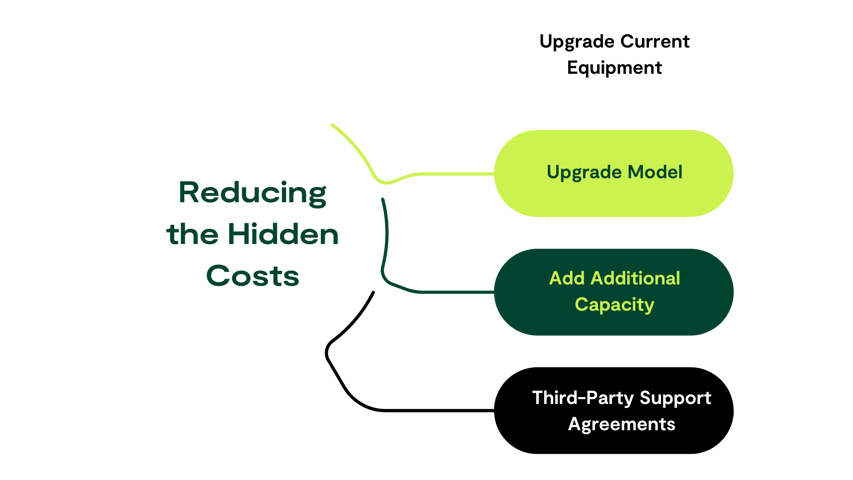
1. Upgrade Your Current Equipment
Before investing in entirely new systems, consider upgrading your existing equipment. Adding more memory, expanding storage, or upgrading the CPU can extend the life of your current infrastructure and improve performance without the need for a full overhaul.
2. Upgrade Model
If your current systems are nearing the end of their capabilities, consider upgrading to a bigger model within the same generation. For instance, moving from a Dell R530 to an R730 can provide higher configurations and improved performance without the need for a complete system redesign.
3. Add Additional Capacity
Instead of replacing existing systems, you can add more servers or expansions of the same generation to increase capacity. This approach allows you to scale up gradually and spread out costs over time while maintaining consistency in your tech environment.
4. Third-Party Support Agreements
To minimize issues with running older equipment, consider entering into third-party support agreements. These can provide specialized support for legacy systems and help manage the risks associated with ageing infrastructure. Additionally, purchasing a spare parts package can ensure you have readily available components for quick replacements, minimizing downtime.
Keeping your tech stack current is crucial for staying competitive but it is important to consider the hidden costs that can go with these updates. A detailed cost-benefit analysis that includes both direct and indirect costs can help you make informed decisions and avoid unwanted surprises.
By planning for these hidden costs, you can better manage your budget, ensure smoother transitions, and maximize the benefits of new technology investments.
If you have further questions about third party data center maintenance, do not hesitate to contact us at sales@nordiccomputer.com or by filling out the contact form in the footer.